
 بالعربية
 English
  español
  Русский язык
  Deutsch
  Italiano
  بالعربية
 OEM vs Aftermarket Sandvik Spare Parts: Which Should You Choose?
In the high-stakes world of mining, quarrying, and construction, equipment downtime is the ultimate profit killer. When your Sandvik crusher or drill rig requires maintenance, you face a critical decision: invest in OEM (Original Equipment Manufacturer) parts or opt for High-Quality Aftermarket alternatives.
 Figure 1: Critical components for industrial crushing and screening equipment.
Understanding the Differences
Choosing the right spare parts is not just about the purchase price; it's about the Total Cost of Ownership (TCO). Let's break down the two main categories:
1. Sandvik OEM Parts
OEM parts are manufactured by Sandvik themselves or their licensed partners. They are identical to the parts that came with your machine from the factory.
Pros: Guaranteed fitment, adherence to original engineering specs, and manufacturer warranty support.
Cons: Premium pricing and sometimes complex procurement logistics.
2. High-Quality Aftermarket Parts
Aftermarket parts are produced by third-party manufacturers. Leading aftermarket providers use reverse engineering and advanced metallurgy to create parts that often meet or exceed OEM standards.
Pros: Significant cost savings (often 20-40%), faster availability, and specialized material upgrades.
Cons: Quality varies significantly between different suppliers.
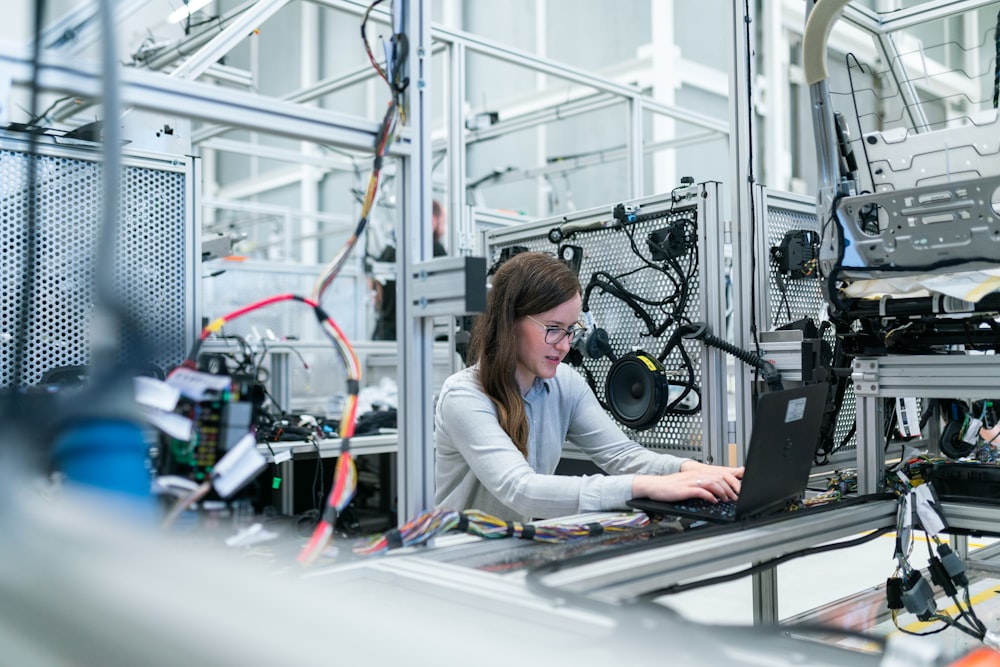 Figure 2: Precision engineering ensures aftermarket parts meet strict fitment tolerances.
Critical Comparison Factors for Decision Makers
Durability & Material Composition
Sandvik equipment often operates in abrasive environments. OEM parts use specific alloys (like high-manganese steel). Top-tier aftermarket suppliers use identical material grades, but "budget" aftermarket parts may fail prematurely due to inferior casting or heat treatment.
Warranty and Machine Longevity
Using non-OEM parts can sometimes affect your original machine warranty. However, for machines out of the initial warranty period, high-quality aftermarket parts provide a sustainable way to keep older fleets operational without the "OEM Tax."
Availability and Lead Times
During global supply chain disruptions, OEM parts often face backlogs. Reliable aftermarket suppliers maintain large inventories of common wear parts (mantles, bowl liners, jaw plates), ensuring your site stays productive.
The Verdict: How to Choose?
The choice often depends on your specific operational needs:
Choose OEM if: Your machine is brand new and under a full service contract, or if you are replacing a mission-critical "brain" component (like electronic control modules).
Choose Aftermarket if: You are replacing wear parts (liners, filters, seals), looking to optimize your maintenance budget, or need parts immediately to prevent a production halt.